Posts

Showing posts with the label history

bonus features: opening the eaton centre

The material presented in this post is now available on Tales of Toronto .

valentine ideas from the toronto sun, 1977

Image
Figuring out how to mark Valentine's Day can be stressful and strike terror in your heart. Have no fear -- the following items I recently stumbled upon from 40-year-old editions of the Toronto Sun during a recent research session may provide inspiration (or a laugh). If you feel a traditional card isn't enough for your sweet patootie, how about something along these lines? Toronto Sun , February 10, 1977. Click on image for larger version. Then there's dinner. You could decide to go out, either to a cozy neighbourhood spot for a romantic rendezvous (if they have tables left) or a popular downtown restaurant. Why not hit The Esplanade? Toronto Sun , February 13, 1977. Toronto Sun , February 13, 1977. You could also stay at home and prepare a lovely, heartfelt meal. If your budget is tight, as were those of inflation-conscious couples during the 1970s, we have the following suggestions not just for Valentine's Day, but the entire week. Toronto Su...

to be continued?

Image
"Windsbraut"(Bride of the Wind) by Oscar Kokoschka. Cover of History of the 20th Century #96 (1969). In the aftermath of the recent American election, there’s plenty of apocalyptic doom-and-gloom out there. How much is justified remains to be seen, though early glimmers aren’t heartwarming. Even a couple of weeks later, getting off/modifying social media to save one’s sanity, or, after doing some contemplative soul-searching, figuring out how you can actually make a real difference in your community or beyond seems like the best advice. Feeling meh or worse about the future is nothing new. Throughout recorded history, fears the sky was falling, or worse, are recurring themes during stressful times. The current malaise made me think of the one of the grimmest-ending essays I read when I was younger. Behind my dad’s chair in the basement of my childhood home was a bookshelf filled with historical “partworks”—magazine series, mostly British, mostly from the early 1...

bonus features: chinatowns

Image
This post offers supplementary material for an article I recently wrote for Torontoist , which you should read before diving into this piece. The Globe , October 11, 1907. The fear of the "yellow peril" in action - one of the more jaw-dropping (from a modern perspective) editorials regarding the place of Chinese in Canadian society during the early 20th century.

off the grid: ghost city 660 broadview avenue (william peyton hubbard)

Image
This installment of my "Ghost City" column for The Grid was originally published on February 12, 2013. Portrait of William Peyton Hubbard, 1913, by W.A. Sherwood. When William Peyton Hubbard was born in 1842 it’s doubtful his father, a freed slave who had arrived in Toronto two years earlier, imagined that the infant would become one of the city’s most powerful politicians. The road to that accomplishment took time: Before Hubbard entered politics in 1893, he baked cakes and drove a horse cab, occupations that were the norm for the city’s small black population.

off the grid: ghost city 925 bloor street west

Image
This installment of my "Ghost City" column for The Grid was originally published on January 22, 2013. Toronto Star , October 26, 1948. Until 1948, anyone headed to the southwest corner of Bloor Street and Concord Avenue typically went to peruse the area’s long succession of furniture businesses, looking for that perfect addition to their home décor. The granting of a liquor license that year to the Concord Tavern ushered in the intersection’s long association with music as a venue and instrument seller.

previewing the maple leafs' 1977/78 season

Image
The WHA! The original Jets! Willi Plett! Some people treasure pristine mint editions of old books and magazines. I treasure ragged copies that were well-loved, which display the repeated wear-and-tear of an owner who regularly flipped the pages (just as long as none of those pages are missing). This is one of the most worn items in my collection: The Hockey News 1978 Yearbook , previewing the 1977/78 NHL and WHA seasons. Part of its weary appearance is due to little Jamie's use of it as something to press down upon while scribbling maps, fake hockey cards, or whatever else entered my brain. Part is my childhood fascination with a season just slightly before I followed pro hockey, spotlighting a league (the WHA) which was gone by the time I started watching Hockey Night in Canada and collecting sports cards.

off the grid: ghost city balmy beach club

Image
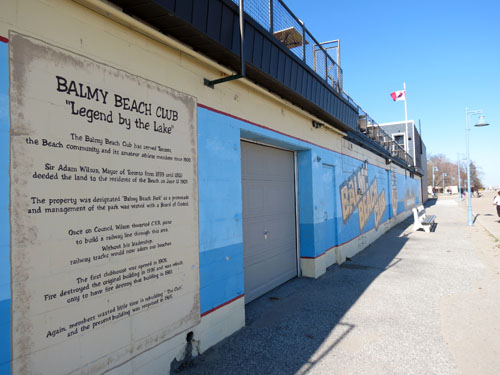
This installment of my "Ghost City" column for The Grid was originally published on April 23, 2013. Photo taken April 2013. When prominent jurist and one-time Mayor of Toronto Sir Adam Wilson partitioned his property along Lake Ontario in January 1876, he set aside a portion for use as a public “promenade and recreation grounds.” Within a few years, the community of Balmy Beach grew around Wilson’s lands, which sat amid the growing amusement parks and cottages that spurred the development of The Beach.

off the grid: ghost city 260 church street

Image
This installment of my "Ghost City" column for The Grid was originally published on September 25, 2012. 260 Church Street, May 7, 1913. City of Toronto Archives, Series 372, Subseries 1, Item 35. Click on image for larger version.  At street level, the Pizza Pizza at the southwest corner of Church and Dundas deviates little from other branches of the chain. Apart from reproductions of vintage French advertisements on the wall and lights dangling like teardrops from the ceiling, 260 Church Street bears the same orange colour scheme and the same special-touting window ads as other locations. But a glance at the upper two levels of its exterior reveals that past orders inside included bank deposits with a side of dipping into savings.

before yorkdale had fashionable santas

Image
Don Mills Mirror , November 22, 1972 Yorkdale Shopping Centre has earned more than the usual publicity for one of its Santas this year -- " Fashion Santa ," a sartorially-smart take on the jolly old elf. While this take on St. Nick is designed to appeal to adults, kids can still find a traditional Santa at the mall much as they have since the 1960s. Yorkdale was among the North York malls the Don Mills Mirror visited in 1972 to talk to the men behind the beards. While I mentioned this story in a "Vintage Toronto Ads" column for Torontoist , here is the full article. Don Mills Mirror , December 13, 1972. Click on image for larger version.

off the grid: ghost city rosedale park

Image
This installment of my "Ghost City" column for The Grid was originally published on November 20, 2012. An expanded version was published on Tales of Toronto . Rosedale Field clubhouse, November 30, 1921. City of Toronto Archives, Fonds 1231, Item 615. During World War II, Montreal-based Park Steamship Company named additions to its war cargo fleet after a few Canadian parks. Among those chosen were Hillcrest and Rosedale. Assigned to write historical plaques about each park, poet P.K. Page contacted Toronto civic officials for background information. Parks commissioner Charles E. Chambers provided Page with the info she required, but noted at the end of a March 27, 1944 letter that “neither park has any historical importance.”

bonus features: scenes from the brunswick house

Image
This post offers supplementary material for an article I recently wrote for Torontoist , which you should read before diving into this piece. Globe , December 12, 1921 Ontario implemented prohibition of liquor sales via the Ontario Temperance Act in 1916. It was about as successful as such things go, which is to say, people still wanted to drink. Its repeal began in 1924 (after which weaker beer was allowed), then replaced entirely in 1927 by the creation of the LCBO. A follow-up to Mr. Jennes's transgression appeared in the Globe five days later. Along the line, his last name lost an "e": Fred Jenns, bartender at the Brunswick Hotel, was fined $50 and costs or 10 days for obstructing  the police. Jenns held on to an officer when he entered to look for liquor. The explanation was that Jenns kept a little liquor for his own use, and that he did not mean to obstruct the police.

off the grid: ghost city 20 st. joseph street

Image
This installment of my "Ghost City" column for The Grid was originally published on November 6, 2012. Creating more space within a heritage building can be tricky, especially if plans outlining previous changes are unavailable. When the Canadian Music Centre wanted to open up its main floor for a performance space and lounge, architects worked around obstacles like central-air ducts installed over the course of the former Victorian home’s history.

off the grid: retro t.o. cbc's black wednesday (and the impact in windsor)

Image
This installment of my "Retro T.O." column for The Grid was originally published on April 10, 2012. Cartoon by Patrick Corrigan, Toronto Star , December 7, 1990. It was an evening that should have been joyous for Canadian television. But as the Gemini Awards ceremony ended on December 4, 1990, the audience learned of an ominous announcement on that night’s edition of The National . The hosts of Monitor —the Gemini-nominated investigative-news series that aired on Toronto’s CBC affiliate, CBLT—stood arm-in-arm as they watched a story indicating that CBC would slash $110 million from its budget by closing 10 regional TV stations and cutting 1,200 employees. It was believed that Monitor was among the shows that would get the axe, an event for which co-host Jeffrey Kofman seemed prepared. “Toronto is already well served by the media,” he told the Star . “I’ve had five great years. I’ll survive.” The punctured mood was summed up by Peter Mansbridge, who found it difficult to...

off the grid: the choosing of an interim toronto mayor, 1978

This post has been moved over to my Tales of Toronto website .

off the grid: ghost city 1172 dundas street west

Image
This installment of my "Ghost City" column for The Grid was originally published on May 2, 2013. Dempster's Staff of Life Bakery is visible in the background of this streetcar track construction shot taken along Dundas Street on July 19, 1917. City of Toronto Archives, Fonds 200, Series 372, Subseries 58, Item 681. During the last decades of the 19th century, the Toronto bread market was a battleground. Bakers faced resistance from housewives used to making their own loaves and tough battles for customers with an increasing supply of commercial competitors. When teenager George Weston entered the business in the early 1880s, the future food mogul joined nearly 60 other city bakers and nearly 60 more confectioneries.

bonus features: revisiting the past lives of st. lawrence market

Image
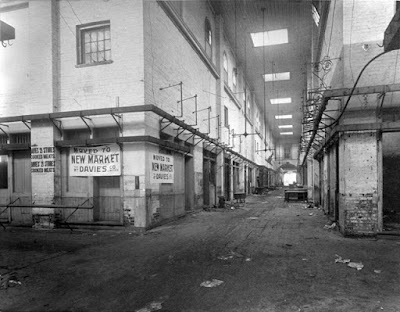
This post offers supplementary material for an article I recently wrote for Torontoist , which you should read before diving into this piece. St. Lawrence Market, north market (1850-1904), Front St. E., north side, between Market & Jarvis Sts.; interior, main corridor, looking north, before alterations of 1898. Toronto Public Library. Click on image for larger version. The construction of the 1904 incarnation of the north market was anything but a smooth process. Mind you, if you changed the few specific details, the following Star editorial could apply to many projects which go off the rails. Toronto Star , September 19, 1904.

off the grid: ghost city 10 scrivener square

Image
This installment of my "Ghost City" column for  The Grid  was originally published on   May 14, 2013. Last week, an onsite time capsule was opened . Globe , September 10, 1915. The Canadian Pacific Railway was tired of arguing. Negotiations with government bodies over the development of a replacement for the existing Union Station were heading nowhere fast. Fatigued by squabbling, in 1912, the CPR moved several passenger routes from downtown to a line it controlled in the north end of the city. While a train station already existed on the west side of Yonge Street near Summerhill Avenue, it hardly matched CPR executives’ visions of grandeur.

off the grid: ghost city 696 yonge street

Image
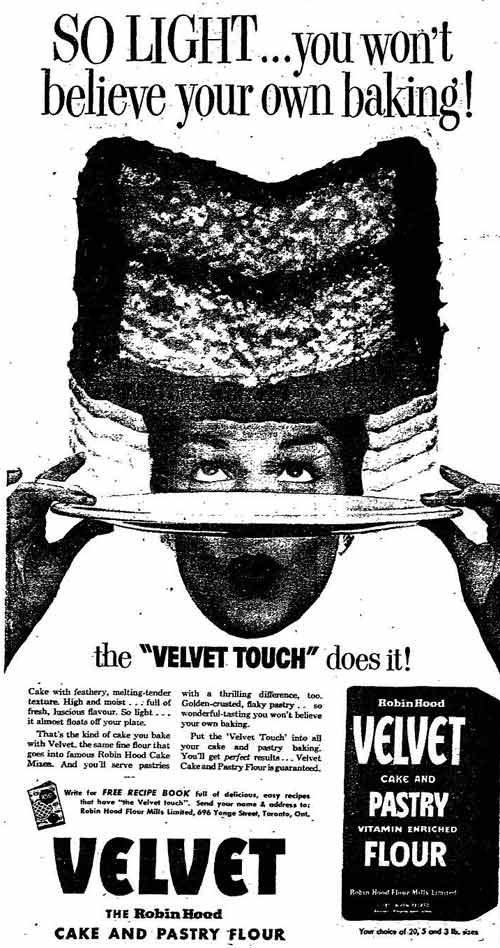
This installment of my "Ghost City" column for The Grid was originally published on January 29, 2013. The building is still boarded up as of this reprint. Toronto Star , September 12, 1957. The Church of Scientology’s Toronto headquarters are in the midst of an “Ideal Org” makeover—signalled, last month, by boards nailed to the Yonge Street high-rise. While it remains to be seen whether the move will fracture the controversial faith’s local followers as similar, costly refurbishings have in other cities, the plans are less than modest, indicating a colourful new façade will be placed on the almost-60-year-old office building, along with a new bookstore, café, theatre, and “testing centre” inside. Built around 1955 in the International style of architecture, 696 Yonge’s initial tenant roster included recognizable brands like Avon cosmetics and Robin Hood flour. They were joined by an array of accounting firms, coal and mining companies, and the Belgian consulate, alon...

bonus features: memory lane

Image
This post offers supplementary material for an article I originally wrote for The Grid , and was recently republished by Torontoist , which you should read before diving into this piece.  Toronto Star , July 23, 1966. Click on image for larger version. Of the other stores mentioned in this article, Ryerson Press's home at 299 Queen West would become home to the CHUM/CITY media empire.